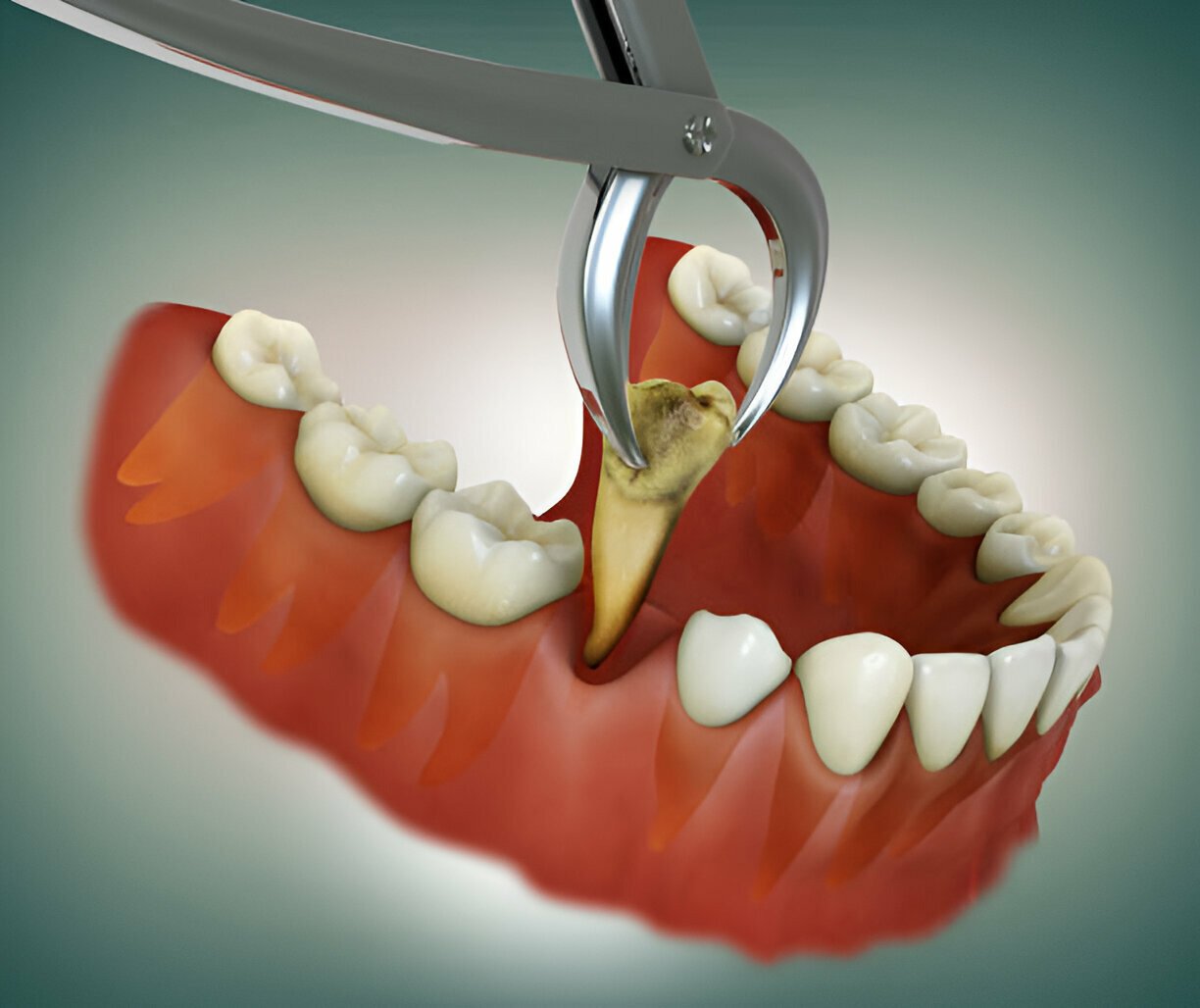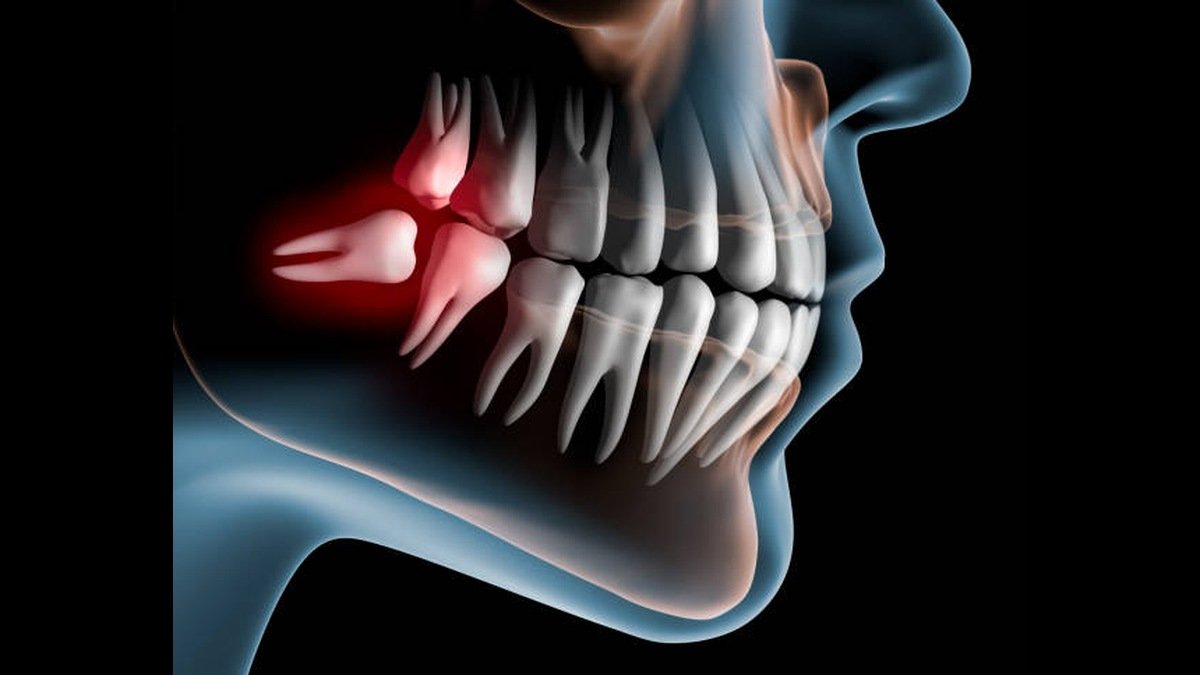
Wisdom teeth are the last permanent teeth to develop, usually appearing during the late teenage years or early adulthood. Some erupt normally and remain healthy, while others do not have enough room to grow into a functional position.
When space is limited, a wisdom tooth may erupt only partially, grow at an angle, or remain trapped beneath the gum and jawbone. This is known as an impacted wisdom tooth.
What Problems Can Wisdom Teeth Cause?
Impacted or partially erupted wisdom teeth can sometimes contribute to:
- Pain, tenderness, or swelling
- Recurrent inflammation or infection of the surrounding gum
- Tooth decay that is difficult to treat
- Gum disease and bone loss
- Damage or decay affecting the neighbouring second molar
- Cyst formation around an impacted tooth
- Difficulty cleaning the area properly
A partially erupted wisdom tooth may remain covered by a flap of gum tissue where food and bacteria can collect. This can cause inflammation or infection called pericoronitis. Patients may experience pain, swelling, an unpleasant taste, difficulty opening the mouth, or discomfort when swallowing. Although uncommon, a severe untreated dental infection can spread into deeper tissues of the face or neck and requires urgent care.
Do All Wisdom Teeth Need to Be Removed?
No. A wisdom tooth does not necessarily require extraction simply because it is present or impacted. If it is healthy, free from disease, properly positioned, easy to clean, and not damaging nearby structures, it may be monitored during routine dental examinations.
Extraction may be recommended when a wisdom tooth is causing pain, recurrent infection, decay, gum disease, cyst formation, or damage to an adjacent tooth. The decision should be based on the patient’s symptoms, clinical examination, X-rays, age, overall health, and the position of the tooth.
Wisdom teeth are sometimes blamed for crowding or shifting of the front teeth. However, current evidence does not clearly support removing otherwise healthy wisdom teeth solely to prevent anterior crowding.
Is Earlier Removal Better?
When extraction is indicated, removing a wisdom tooth at a younger age may sometimes be technically easier because its roots may be less developed and the surrounding bone may be more flexible. Healing may also be more predictable in younger patients.
However, early removal is not automatically appropriate for everyone. The potential benefits must be weighed against the risks of surgery and the likelihood that the tooth will cause future problems.
Wisdom Teeth and the Lower Jaw Nerve
The roots of a lower wisdom tooth may lie close to the inferior alveolar nerve, which provides sensation to the lower lip and chin. When this relationship is close, extraction carries a risk of temporary—and rarely permanent—altered sensation.
Careful evaluation with appropriate imaging helps the dentist assess this relationship and plan treatment. In selected cases, additional three-dimensional imaging or an alternative procedure may be considered to reduce the risk.
The Main Message
Wisdom teeth should not be removed automatically. Some can remain healthy for a lifetime, while others may cause repeated infection or damage to neighbouring teeth. A dental examination and appropriate imaging can determine whether extraction or continued monitoring is the safer choice.
At Monalisa Dental Centre, we take a conservative approach to wisdom tooth removal. With extensive experience in assessing and extracting wisdom teeth, we recommend removal only when the expected benefits outweigh the risks. Each recommendation is based on a careful examination, appropriate imaging, and the individual needs of the patient.
This article is educational and does not replace an examination or personalized advice from a dental professional.