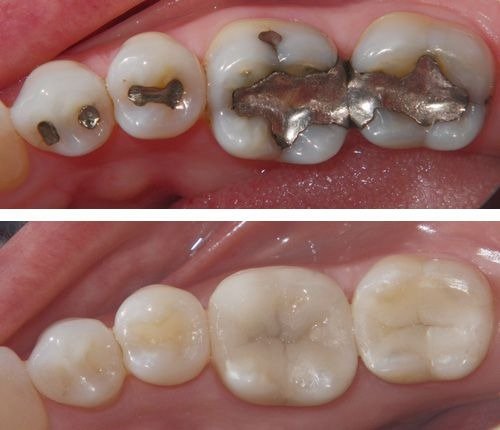
It is not unusual for a tooth to feel sensitive after a new composite filling.
Some patients notice sensitivity to cold, sweets, pressure, or biting for a short period after treatment. In many cases, this improves gradually as the tooth settles.
Why Can a Tooth Become Sensitive?
Several factors can contribute:
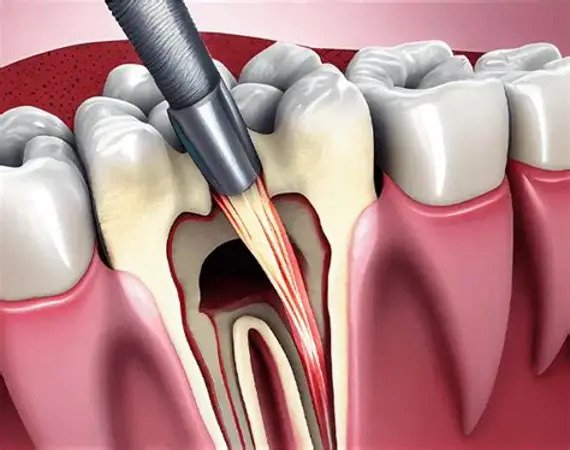
- The cavity was deep, placing the filling close to the pulp or nerve.
- The tooth was already irritated by decay before treatment.
- The bonding and filling procedure can temporarily irritate the tooth.
- The new filling may be slightly high in the bite, causing excessive pressure when chewing.
- Occasionally, an existing crack or more significant pulpal inflammation may be involved.
Sensitivity to Cold
Brief sensitivity to cold that disappears quickly is often temporary, particularly after a deeper filling.
What is more concerning is pain that lingers after the cold is removed, becomes spontaneous, wakes you at night, or progressively becomes worse.
These symptoms may indicate that the pulp is more significantly inflamed and should be reassessed.
Pain When Biting
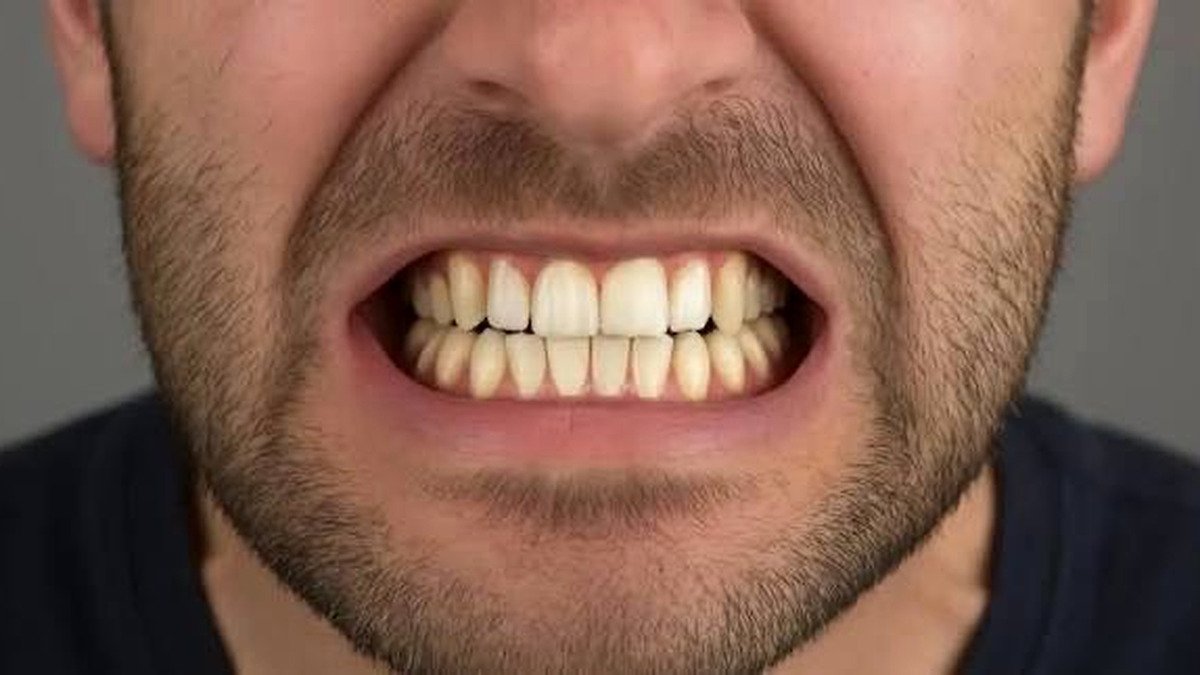
If the tooth feels fine at rest but hurts when you bite, the filling may simply be contacting too heavily.
A small adjustment to the bite can sometimes resolve the problem quickly.
However, persistent biting pain may have other causes and should be examined.
How Long Should Sensitivity Last?
There is no exact timeline for every tooth.
Mild sensitivity should generally improve rather than worsen with time. Deeper restorations may take longer to settle.
The important question is not simply how many days have passed, but:
Is the sensitivity gradually getting better, staying the same, or becoming worse?
When Should You Contact Your Dentist?
The tooth should be reassessed if you experience:
- Increasing or severe pain
- Lingering sensitivity to hot or cold
- Spontaneous or throbbing pain
- Pain that wakes you at night
- Persistent pain when biting
- Swelling
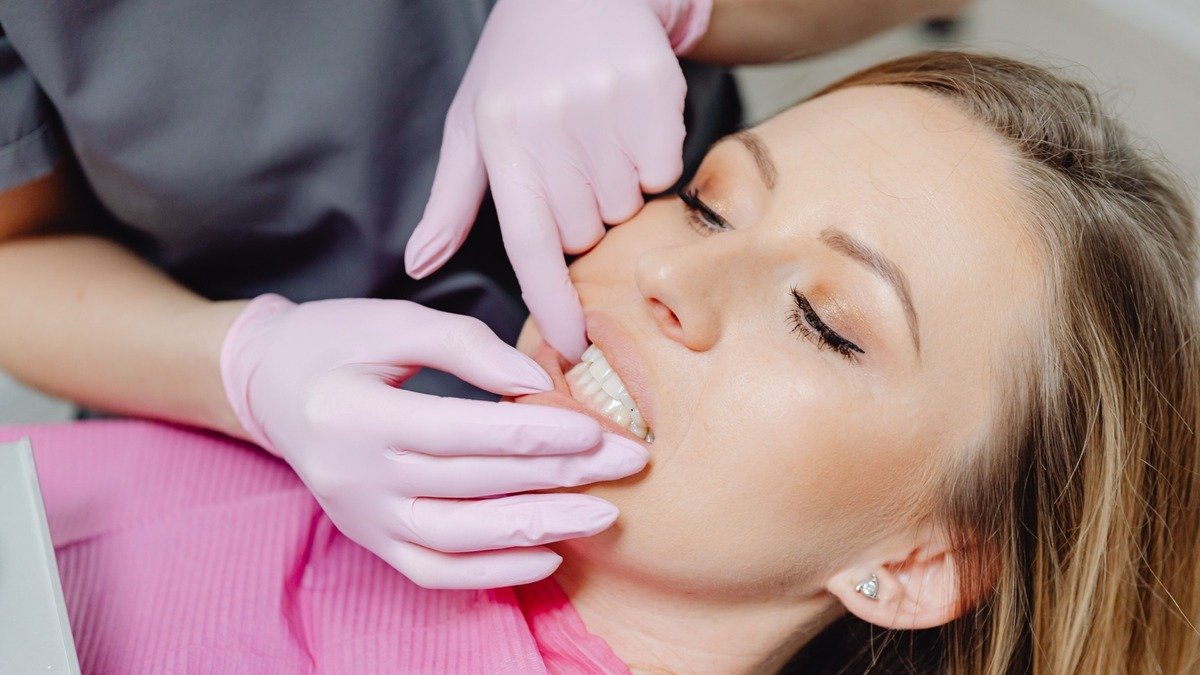
At Monalisa Dental Centre, we evaluate the symptoms, the depth of the original cavity, the bite, and the condition of the pulp before deciding whether the tooth simply needs more time or additional treatment.
A sensitive tooth after a filling does not automatically mean something went wrong — but persistent or worsening symptoms should always be investigated.
This article is educational and does not replace an examination or personalized advice from a dental professional.