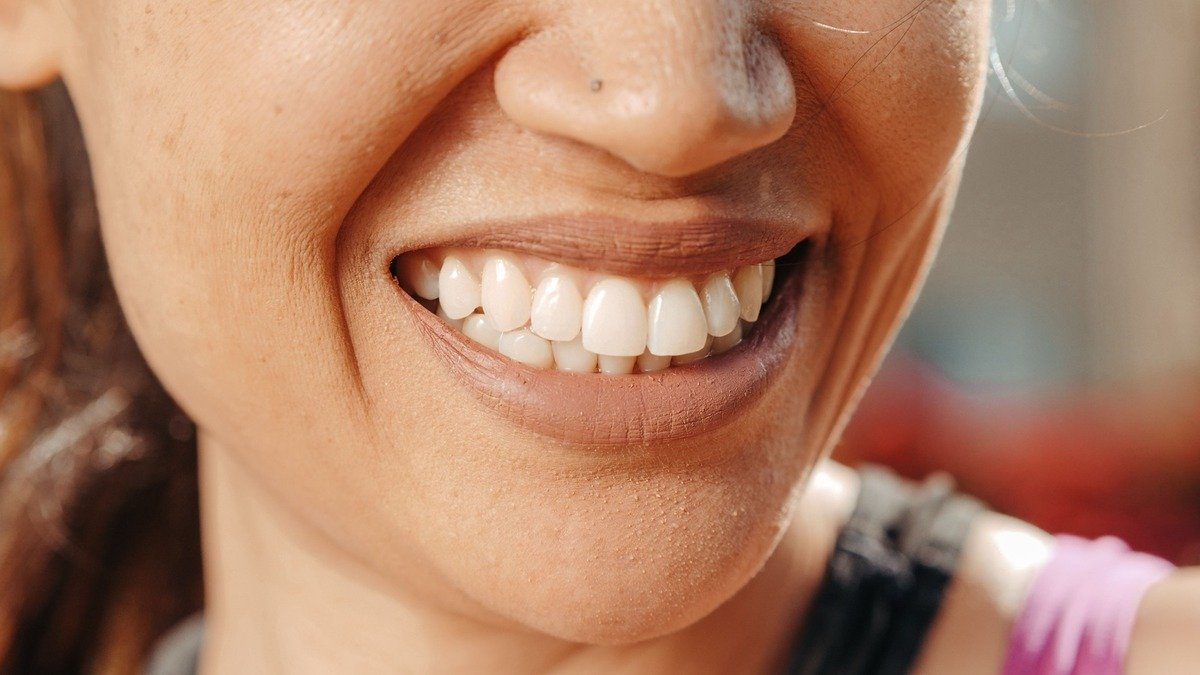
Gum recession occurs when the gum margin moves away from its normal position and exposes part of the tooth root. It can affect one tooth or several teeth and may occur even in patients with otherwise good oral hygiene.
Some patients notice that their teeth look longer, while others first become aware of recession because of tooth sensitivity or changes in their smile.
Why Do Gums Recede?
There is rarely one single cause.
Common contributing factors include:
- Aggressive or improper tooth brushing
- Periodontal disease and inflammation
- Thin gum tissue or thin underlying bone
- Teeth positioned too far toward the outside of the dental arch
- Bone dehiscence around the root
- Certain restorative or periodontal procedures
- Orthodontic movement when a tooth is moved outside its supporting bone
Vigorous brushing, particularly around delicate gum tissue, can gradually produce localized recession and may also be associated with cervical abrasion.
Thin gum tissue and reduced buccal bone thickness can make certain areas more vulnerable. Periodontal inflammation can also cause loss of supporting bone followed by migration of the gum margin.
What About Orthodontics?
Orthodontic treatment itself does not necessarily cause recession.
The important consideration is where the tooth is positioned within the supporting bone.
Moving a tooth excessively toward an area with very thin bone may create or increase a bone dehiscence and make the gum more susceptible to recession.
Does Gum Recession Always Need Treatment?
No.
A small, stable area of recession without sensitivity, root decay, or an aesthetic concern may simply be monitored.
The first priority is to identify and control the underlying cause so that the recession does not continue.
Treatment may become appropriate when there is:
- Increasing recession
- Root sensitivity
- Root decay or cervical wear
- Difficulty maintaining the area
- An aesthetic concern
- Very thin or vulnerable gum tissue
Depending on the situation, treatment may include changing brushing technique, treating periodontal inflammation, desensitizing products, bonding or composite restorations, orthodontic repositioning, or gum-grafting procedures.
The Most Important Question
When we see gum recession, the question is not simply:
“How do we cover the exposed root?”
First, we need to ask:
“Why did the gum recede?”
At Monalisa Dental Centre, we evaluate the gum tissue, bone support, tooth position, brushing habits, bite, and periodontal health before deciding whether an area needs treatment or simply careful monitoring.
Because treating the recession without identifying the reason it developed may not prevent it from progressing.
This article is educational and does not replace an examination or personalized advice from a dental professional.