Have you ever wondered why some people seem to have strong, healthy teeth despite doing very little, while others develop cavities or gum problems even though they take good care of their mouths?
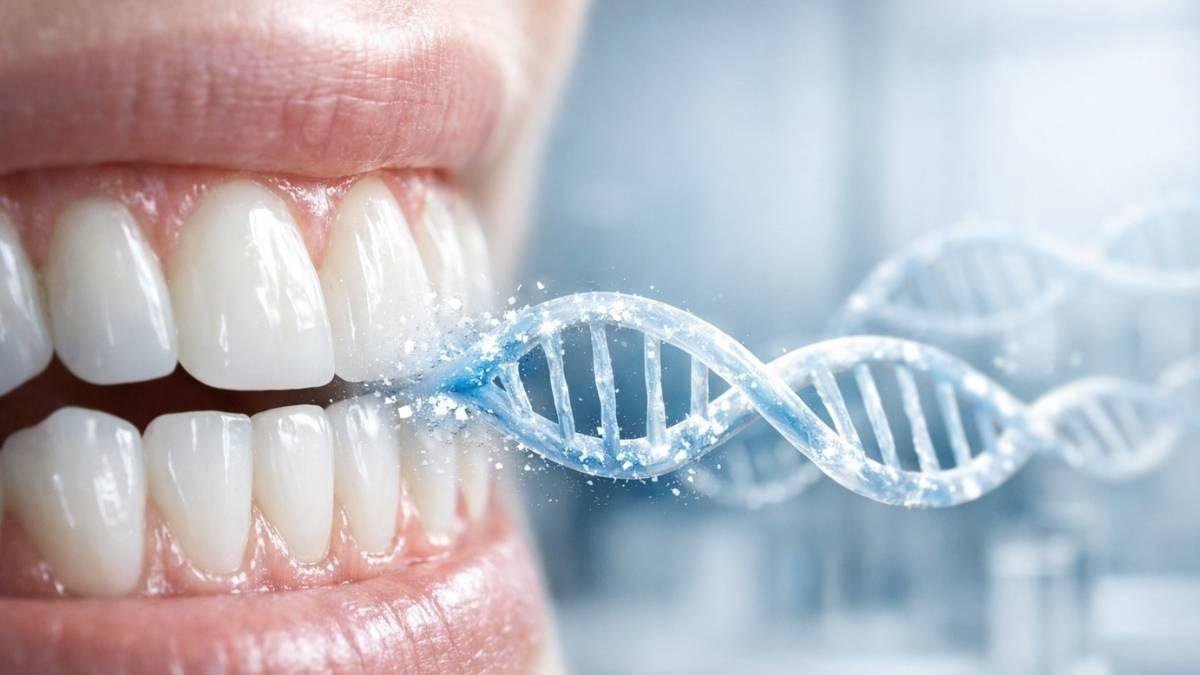
Genetics can play a role in oral health—but your genes do not determine your dental future.
For most common dental conditions, what we inherit interacts with oral hygiene, diet, smoking, medical conditions, medications, and many other environmental factors. Research supports a genetic contribution to several oral conditions, but also shows that environmental and behavioural factors remain extremely important. PubMed
What Dental Features Can Be Inherited?
Genetics has a particularly clear influence on the development of the teeth.
Inherited differences can affect:
- The number of teeth that develop
- Tooth size and shape
- Enamel and dentin formation
- Jaw and facial development
- Certain patterns of missing teeth
For example, congenital absence of teeth, known as tooth agenesis or hypodontia, can run in families and has been associated with several genes involved in tooth development. PubMed
Rare inherited conditions can also directly affect tooth structure. Amelogenesis imperfecta affects enamel formation, while dentinogenesis imperfecta affects the development and strength of dentin. PubMed
Are Cavities Genetic?
Partly—but cavities are not simply inherited.
Genetic differences may influence enamel formation, saliva, immune response, taste preferences, and other factors that could alter a person’s susceptibility to decay.
However, dental caries is strongly influenced by factors such as diet, plaque control, fluoride exposure, saliva, and oral hygiene.
In fact, a recent large review concluded that current evidence linking specific genetic variants to cavity risk remains inconsistent and is not strong enough to use genetic testing routinely to predict who will develop cavities. PubMed
So if your parents had many fillings, that does not mean you are destined to have the same experience.
What About Gum Disease?
Genetics also appears to influence a person’s susceptibility to periodontitis.
Some people may have an inflammatory or immune response that makes them more vulnerable to periodontal destruction when bacterial plaque is present. Studies have identified a heritable component to periodontal disease, although no single gene determines whether someone will develop it. PubMed
This helps explain why two people with similar amounts of plaque may sometimes experience very different levels of periodontal breakdown.
But genetics is only one factor. Plaque control, smoking, diabetes, regular professional care, and other health and lifestyle factors can substantially influence the outcome.
Family History Still Matters
When your dentist asks about family history, there is a reason.
Patterns of early tooth loss, severe periodontal disease, missing teeth, unusual enamel, or other dental conditions within a family can provide useful information.
But families also share diet, habits, oral-health behaviours, and environments, so not everything that “runs in the family” is genetic.
Genes Are Risk Factors—not Destiny
Perhaps the most important message is this:
You cannot change the genes you inherited, but you can influence many of the factors that determine how those genes affect your oral health.
Good preventive care, appropriate brushing and interdental cleaning, fluoride, a healthy diet, regular dental examinations, and early treatment can significantly change the course of many dental diseases.
At Monalisa Dental Centre, we look at the whole picture—your teeth, gums, bite, medical history, lifestyle, and family history—to understand your individual risks and help prevent problems before they become more difficult to manage.
Genetics may influence your starting point. What happens next is not determined by genetics alone.
This article is educational and does not replace an examination or personalized advice from a dental professional.