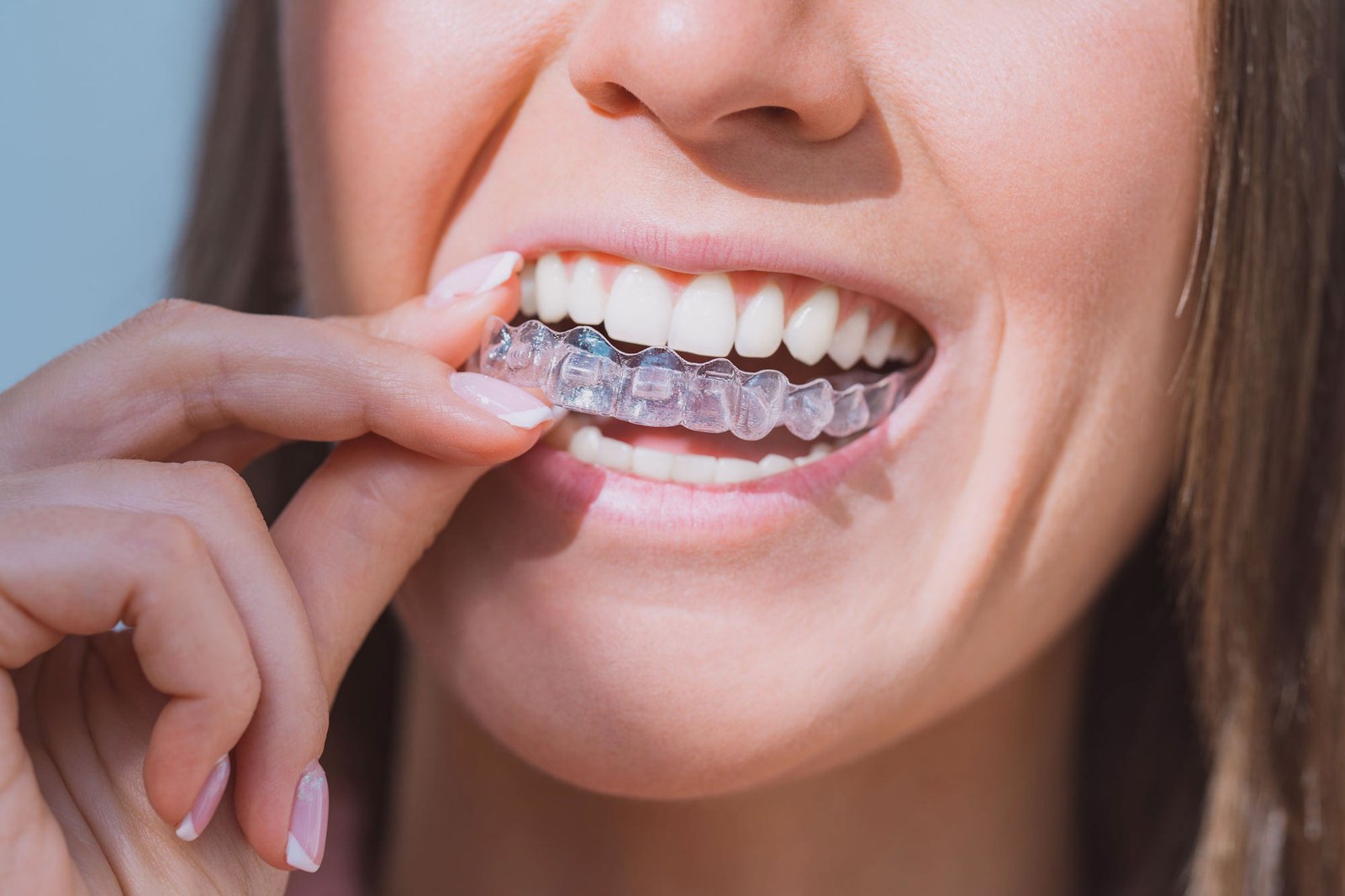
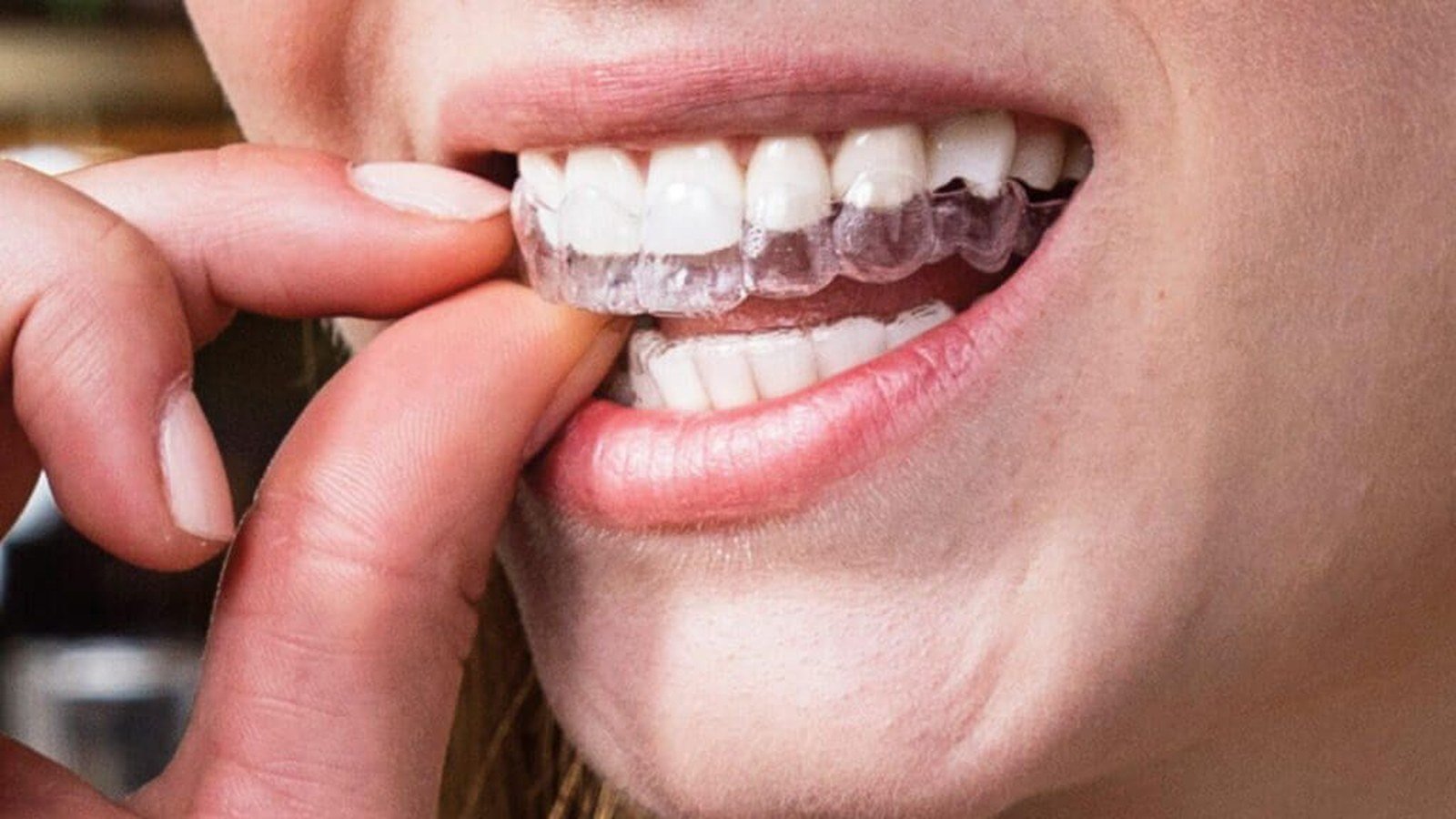
Invisalign treatment uses a customized series of clear, removable aligners to gradually move your teeth into their planned positions.
The aligners are nearly invisible and can be removed for eating, brushing and flossing, making them a convenient alternative to traditional braces for many patients.
How Does Invisalign Work?
Your treatment begins with a comprehensive examination to determine whether Invisalign is appropriate for your teeth and bite.
We may take:
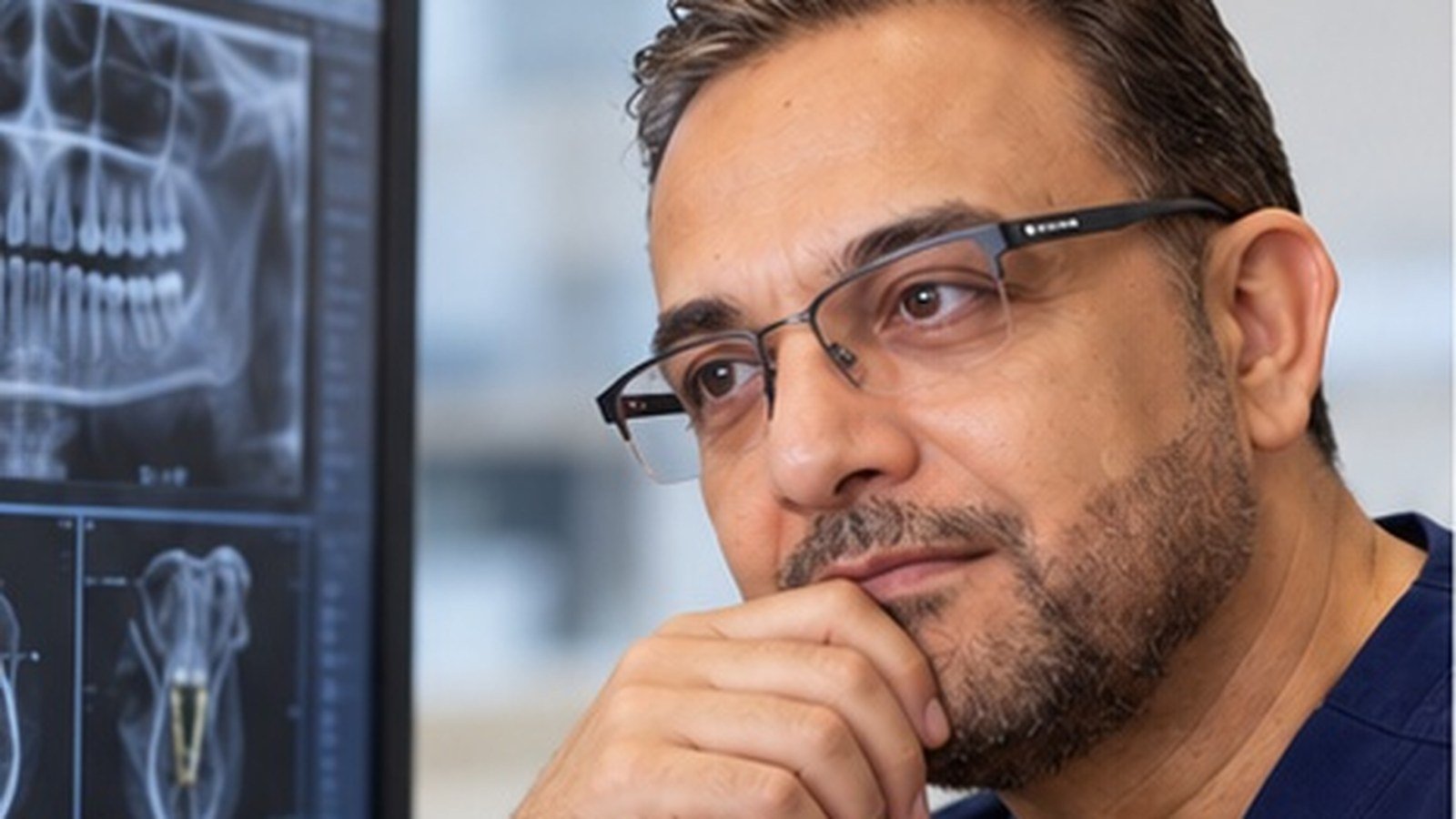
- Digital X-rays
- Photographs
- A digital scan of your teeth
These records are used to create a computerized 3D model and develop a customized treatment plan.
Each aligner is slightly different from the one before it. As you progress through the series, the aligners apply gentle, controlled forces to gradually move selected teeth.
How Often Do You Change the Aligners?
Many patients change to a new set approximately every week, but the schedule is individualized.
Some patients may be instructed to change aligners more frequently or less frequently depending on the tooth movements, how well the aligners are fitting, and how consistently they are being worn.
One thing is essential:
Invisalign only works predictably when the aligners are worn as instructed.
Most patients need to wear them approximately 20–22 hours every day.
What Are Invisalign Attachments?
Some tooth movements require additional assistance.
Attachments are small tooth-coloured composite shapes bonded temporarily to selected teeth.
They give the aligner additional grip and help direct forces in a specific direction, allowing movements that might otherwise be difficult to achieve with the plastic aligner alone.
Not every tooth needs an attachment, and their location and shape depend on your individual treatment plan.
Eating and Drinking With Invisalign
One of the advantages of Invisalign is that the aligners are removable.
You take them out to eat, which means there are generally fewer food restrictions than with traditional braces.
While wearing the aligners, plain water is the safest drink.
Coffee, tea and other beverages should ideally be consumed after removing the aligners. Hot drinks may distort the plastic, while coloured drinks may stain the aligners and sugary or acidic beverages can become trapped against the teeth.
After eating, clean your teeth before replacing the aligners whenever possible.
Will Invisalign Affect My Speech?
Initially, you may notice a slight change in your speech or a mild lisp.
This is usually temporary. Your tongue adapts to the presence of the aligners, and speech normally returns to its usual pattern fairly quickly.
How Do I Clean My Aligners?
Clean your aligners regularly using a soft toothbrush and lukewarm water.
Avoid very hot water because heat can distort the aligner material.
Keeping both your teeth and your aligners clean is particularly important because the trays remain closely fitted against the teeth for most of the day.
How Often Will I Need Dental Visits?
You will return periodically so we can make sure:
- Your teeth are moving as planned
- The aligners are fitting properly
- Attachments remain intact
- Your gums and teeth remain healthy
- Your treatment continues to track correctly
The frequency of appointments depends on the individual case.
What If My Teeth Do Not Move Exactly as Planned?
Teeth do not always respond exactly as predicted by a computer simulation.
Sometimes, after completing the first series of aligners, additional aligners—often called refinement aligners—may be needed to improve certain tooth positions or fine-tune the final result.
Refinements are a normal part of many clear-aligner treatments and should not necessarily be considered a treatment failure.
What Happens After Invisalign?
Once tooth movement is complete, treatment is not finished without retention.
Teeth naturally have a tendency to move after orthodontic treatment, so retainers are needed to help maintain the new positions.
The type of retainer and how frequently it should be worn will depend on your individual situation.
Should I Keep My Old Invisalign Trays?
It is a good idea to keep at least your most recent previous set of aligners rather than throwing them away immediately.
If a current aligner is lost or damaged, the previous set may occasionally be useful temporarily while you contact the office for instructions.
Do not automatically move backward or forward to another aligner without checking with your dentist.
Is Invisalign Right for Everyone?
No.
Clear aligners can treat many orthodontic problems, from relatively simple alignment to more complex bite corrections, but successful treatment depends on proper diagnosis, treatment planning and patient cooperation.
At Monalisa Dental Centre, we first evaluate the position of your teeth, your bite, periodontal health and treatment goals before deciding whether Invisalign is the right option for you.
And perhaps the most important part of successful Invisalign treatment is simple:
The aligners can only move your teeth when you are wearing them.
This article is educational and does not replace an examination or personalized advice from a dental professional.