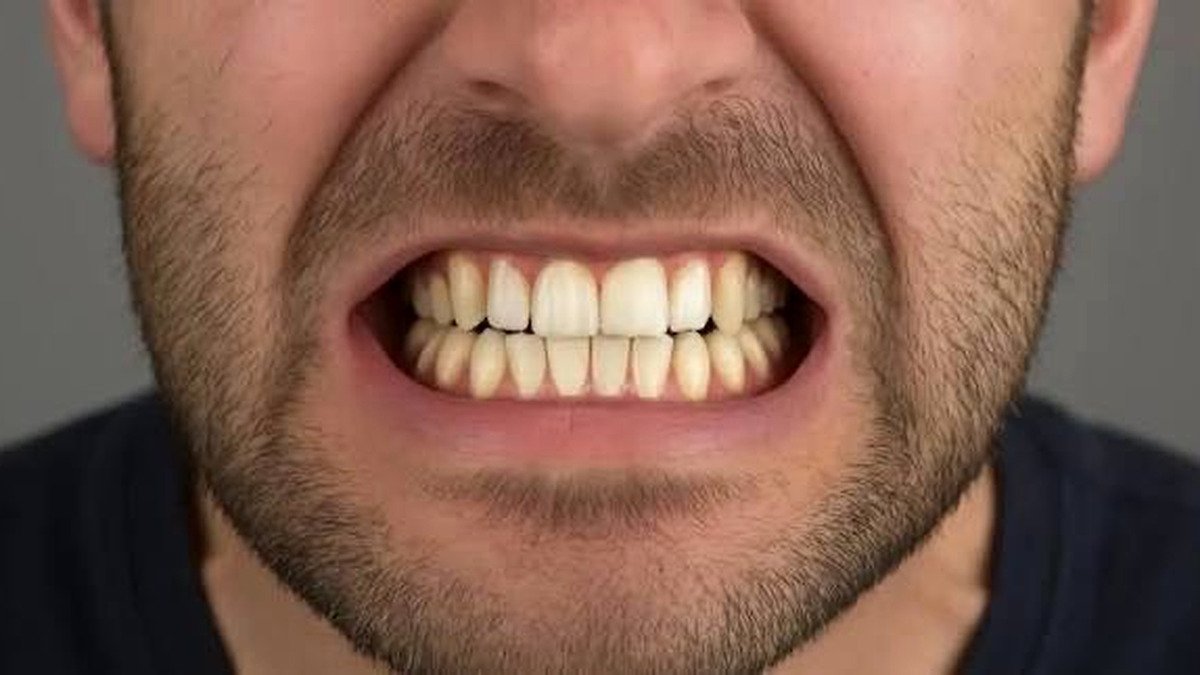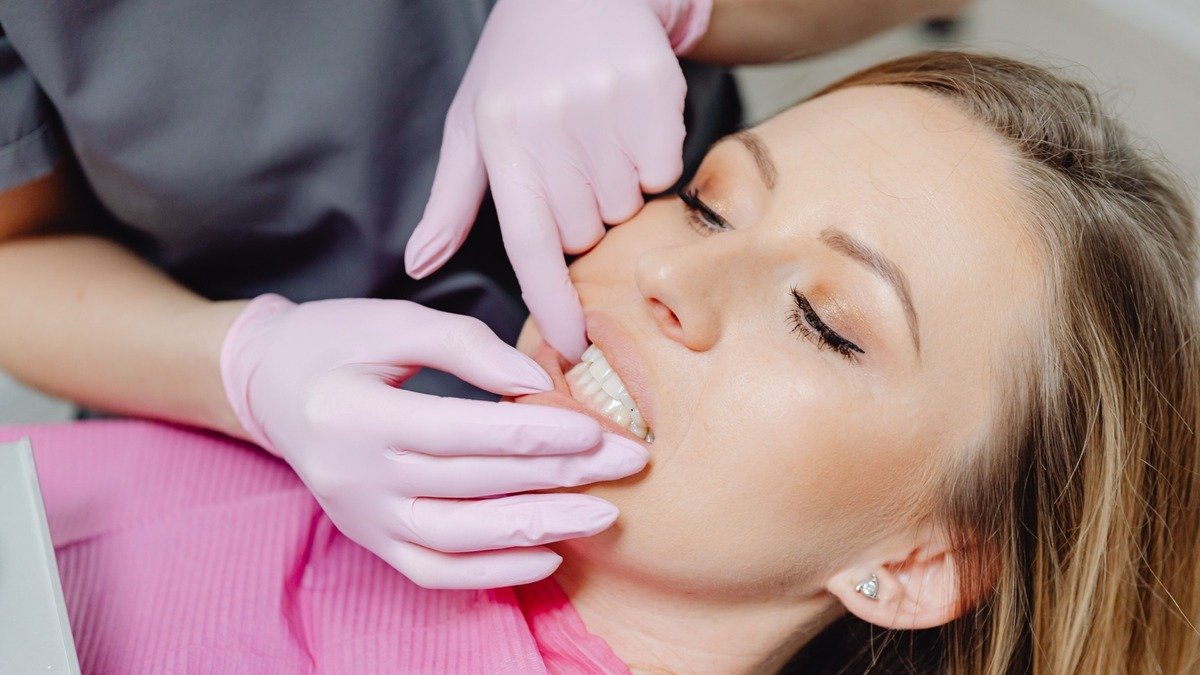
If you grind or clench your teeth, your dentist may recommend a night guard, also called an occlusal splint.
But there is an important point to understand:
A night guard does not necessarily stop you from grinding or clenching.
Its main purpose is to protect your teeth from the forces generated during these activities. Research has not consistently shown that conventional night guards eliminate sleep bruxism itself.
How Does a Night Guard Help?
Without a night guard, your upper and lower teeth contact each other directly during grinding or clenching. Repeated heavy contact can contribute to tooth wear, chipping, cracks, and damage to fillings or crowns.
A properly designed night guard creates a protective surface between the upper and lower teeth.
Instead of individual teeth repeatedly contacting and resisting the forces on their own, the appliance helps distribute those forces more evenly across the guard and the teeth.
In simple terms:
The grinding may continue, but your teeth are better protected from grinding against each other.
Can a Night Guard Reduce Jaw Pain?
Some patients also experience improvement in jaw-muscle discomfort or morning soreness while wearing an appropriate appliance.
However, bruxism and jaw pain are complex, and a night guard is not a cure for every type of facial or TMJ pain.
Does Everyone Who Grinds Need One?
Not necessarily.
The decision depends on the amount of tooth wear, evidence of fractures or damaged restorations, symptoms, bite, and the overall condition of the teeth.
At Monalisa Dental Centre, we assess the pattern of grinding and the condition of your teeth before recommending an appliance.
The goal is simple:
We may not always be able to stop the grinding—but we can help protect your teeth from its damaging effects.
This article is educational and does not replace an examination or personalized advice from a dental professional.