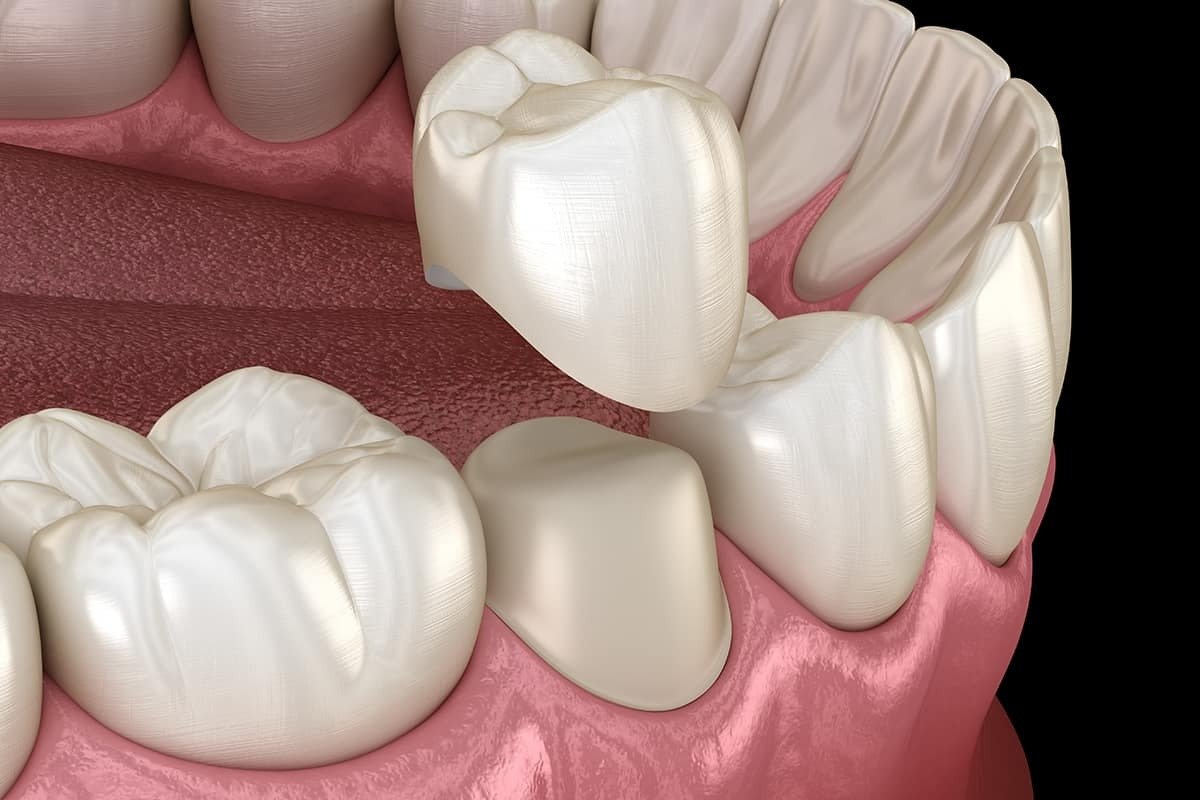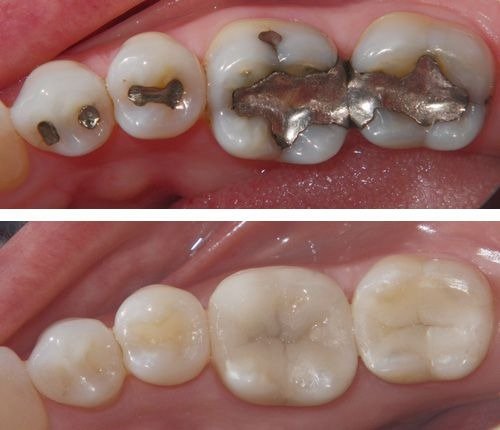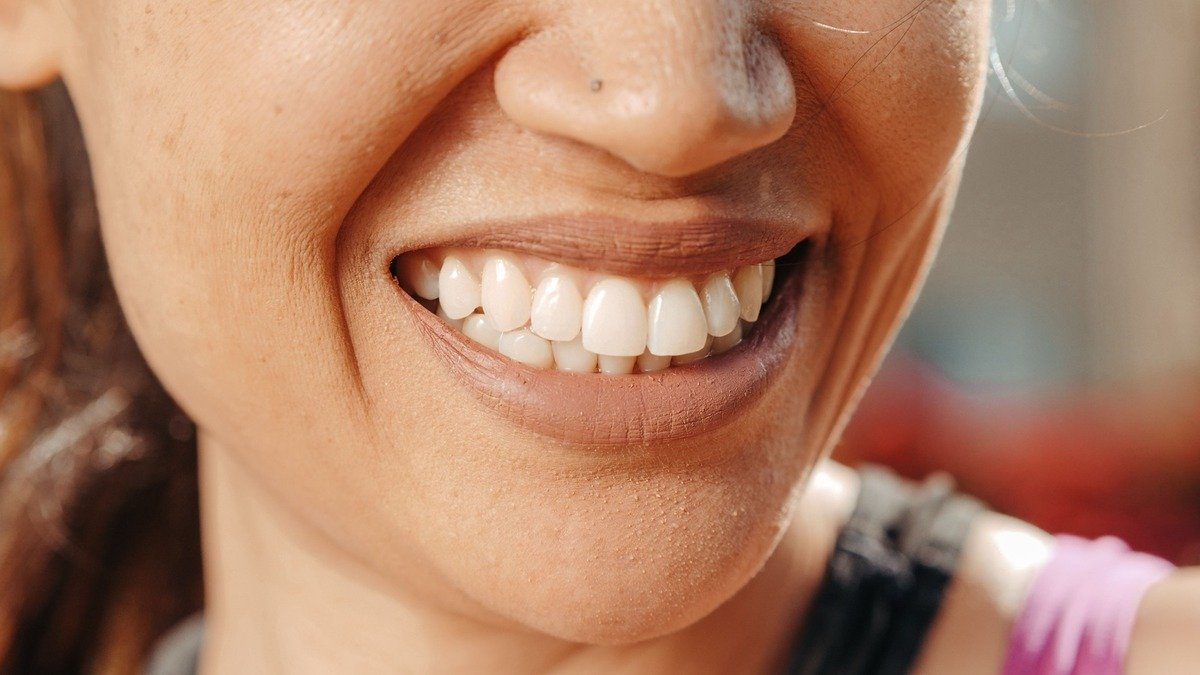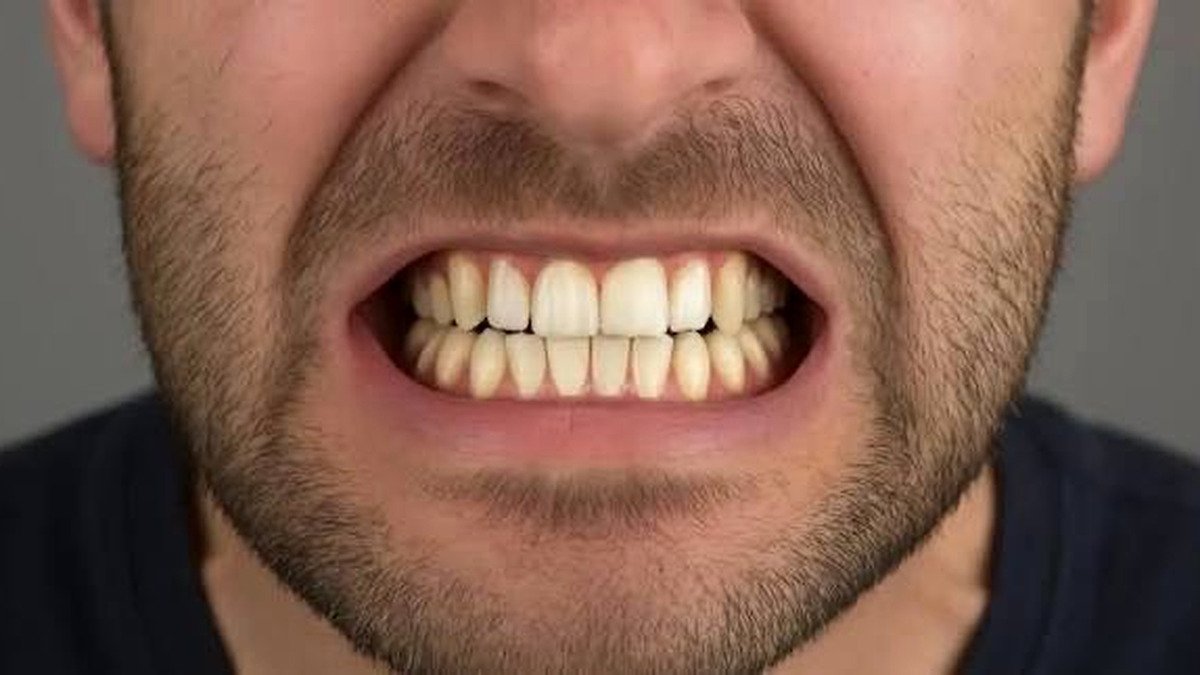
Many people grind or clench their teeth without realizing it. Sometimes the first sign is discovered during a dental examination: flattened cusps, shortened front teeth, chipped edges, cracks, or worn restorations.
This behaviour is called bruxism.
What is bruxism?
Bruxism is repetitive jaw-muscle activity that can occur while awake or during sleep.
Awake bruxism may involve clenching, prolonged tooth contact, or tensing the jaw muscles.
Sleep bruxism occurs unconsciously during sleep and may involve grinding or clenching.
Bruxism itself is not always considered a disorder. The concern is whether it is causing damage, discomfort, or excessive loading of the teeth.
What are the signs?
Possible signs include:
- Flattened or shortened teeth
- Chipped or cracked enamel
- Worn fillings or crowns
- Tooth sensitivity
- Jaw-muscle fatigue or soreness
- Morning jaw stiffness
- Grinding sounds during sleep
Some tooth wear is normal with age, but excessive or rapidly progressing wear should be investigated.
It is also important to remember that worn teeth do not automatically mean bruxism. Acid erosion, reflux, diet, and other factors may also contribute.
Does an improper bite cause grinding?
The bite describes how the upper and lower teeth meet.
In the past, dentists often believed that an imperfect bite caused patients to grind their teeth. Current research does not support malocclusion as a primary cause of bruxism.
However, the bite can still influence where excessive forces are concentrated and which teeth or restorations are placed under greater stress.
So, the bite may affect the consequences of grinding even if it is not the cause.
Why does bruxism matter?
Repeated clenching or grinding can place considerable force on the teeth.
Over time, this may contribute to:
- Tooth wear
- Chipping and fractures
- Cracked teeth
- Damaged restorations
- Muscle fatigue or discomfort
Bruxism does not automatically cause periodontal bone loss, but excessive forces may become more significant when teeth already have reduced periodontal support.
Why do people grind?
There is usually no single cause.
Sleep bruxism appears to involve the nervous system and sleep physiology, while awake bruxism may be influenced by habits, concentration, emotional state, and muscle activity.
That is why simply saying “you grind because you are stressed” is often an oversimplification.
When should it be treated?
Not everyone who grinds needs treatment.
The important question is:
Is the grinding causing damage, symptoms, or excessive wear?
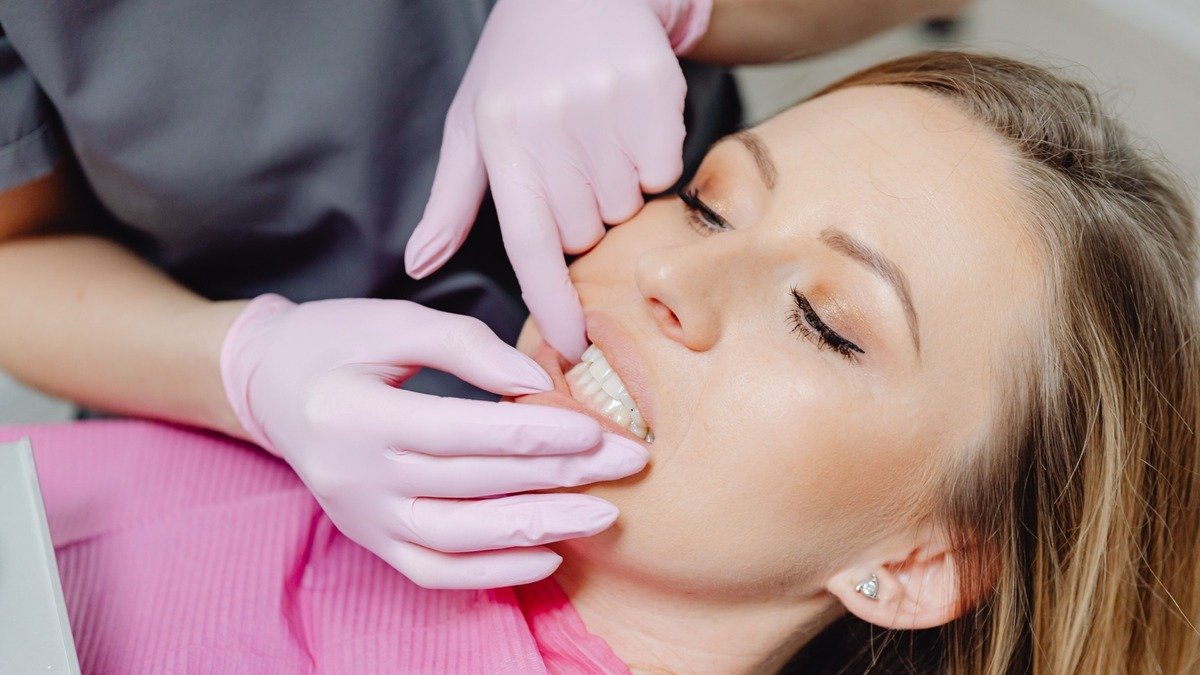
At Monalisa Dental Centre, we evaluate the teeth, wear pattern, bite, jaw muscles, TMJs, restorations, and periodontal support before deciding whether treatment is necessary.
When protection is needed, one of the most common options is a night guard.
But a night guard does not necessarily stop grinding.
This article is educational and does not replace an examination or personalized advice from a dental professional.