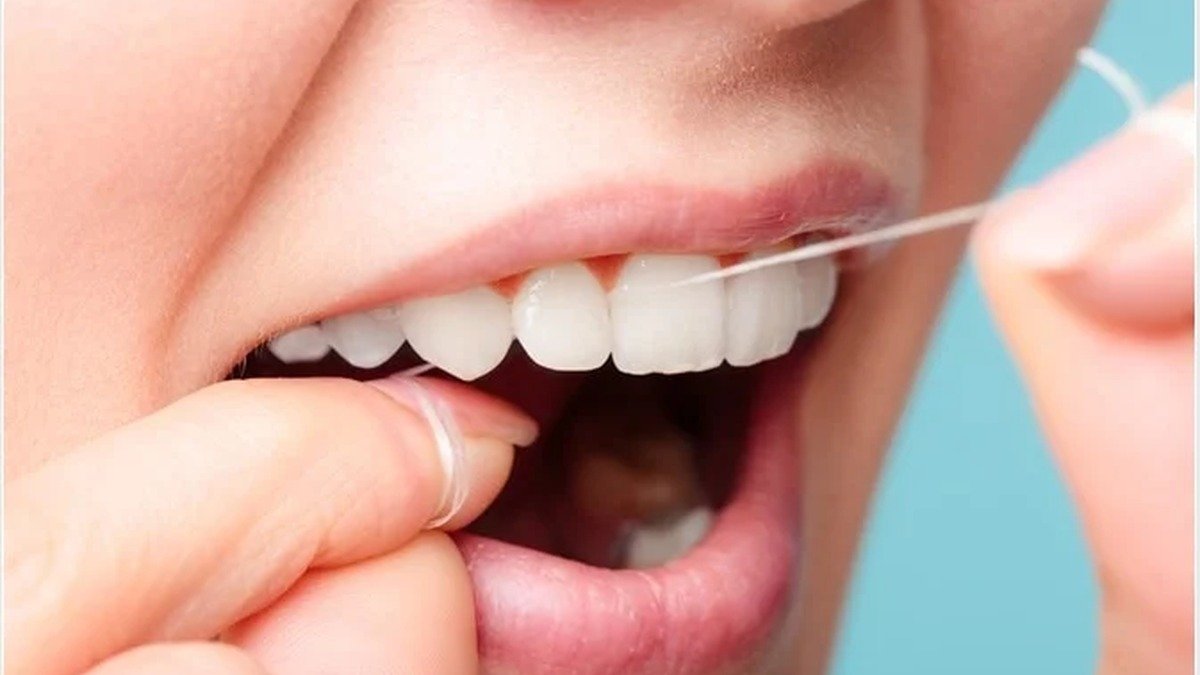
You brush your teeth twice a day. So do you really need to floss as well?
Yes—but perhaps a better term is “cleaning between the teeth.”
A toothbrush cleans the front, back, and chewing surfaces of the teeth very well, but its bristles cannot effectively clean the tight contact areas between neighbouring teeth. Plaque can therefore remain in these areas even when someone brushes regularly. The ADA recommends cleaning between the teeth once a day in addition to brushing. (American Dental Association)
Flossing Is About Plaque, Not Just Food
Many people floss only when food becomes trapped between their teeth.
But removing food is not its most important purpose.
Dental plaque is a bacterial biofilm that continuously forms on tooth surfaces, including between the teeth and near the gumline.
If it is not regularly disturbed and removed, it can contribute to:
- Gingivitis and bleeding gums
- Periodontal disease
- Cavities between the teeth
- Tartar buildup
Interdental cleaning provides additional plaque and gingivitis control compared with brushing alone, although the quality of research varies between different techniques and studies. (American Dental Association)
Does It Have to Be Dental Floss?
Not necessarily.
The important goal is to clean between the teeth effectively.
Depending on the shape and spacing of your teeth, options may include:
- Traditional dental floss or tape
- Interdental brushes
- Water flossers
- Other interdental cleaning devices
Floss is particularly useful where contacts between teeth are tight. For patients with larger spaces, periodontal bone loss, or certain restorations, an appropriately sized interdental brush may sometimes be more effective and easier to use. (American Dental Association)
“My Gums Bleed When I Floss”
This is something we hear frequently.
Bleeding does not necessarily mean that floss is damaging the gums. It can be a sign of gingival inflammation caused by plaque that has been accumulating around the gumline.
With gentle, correct daily cleaning, inflammation and bleeding will often decrease.
However, persistent bleeding should be evaluated, particularly if there is swelling, gum recession, bad breath, or periodontal pocketing.
How Often Should You Clean Between Your Teeth?
For most patients, once a day is sufficient.
The exact time is less important than doing it thoroughly and consistently. The ADA considers either flossing before or after brushing acceptable. (American Dental Association)
The Bottom Line
Brushing is essential—but it does not clean every tooth surface.
Think of it this way:
If you only brush, you are cleaning the surfaces your toothbrush can reach. Interdental cleaning takes care of the areas it cannot.
At Monalisa Dental Centre, we can recommend the type of interdental cleaner that best suits your teeth, gums, restorations, and spacing.
The goal is not simply to “floss.” The goal is to keep the spaces between your teeth clean and healthy.
This article is educational and does not replace an examination or personalized advice from a dental professional.